
Past exhibition
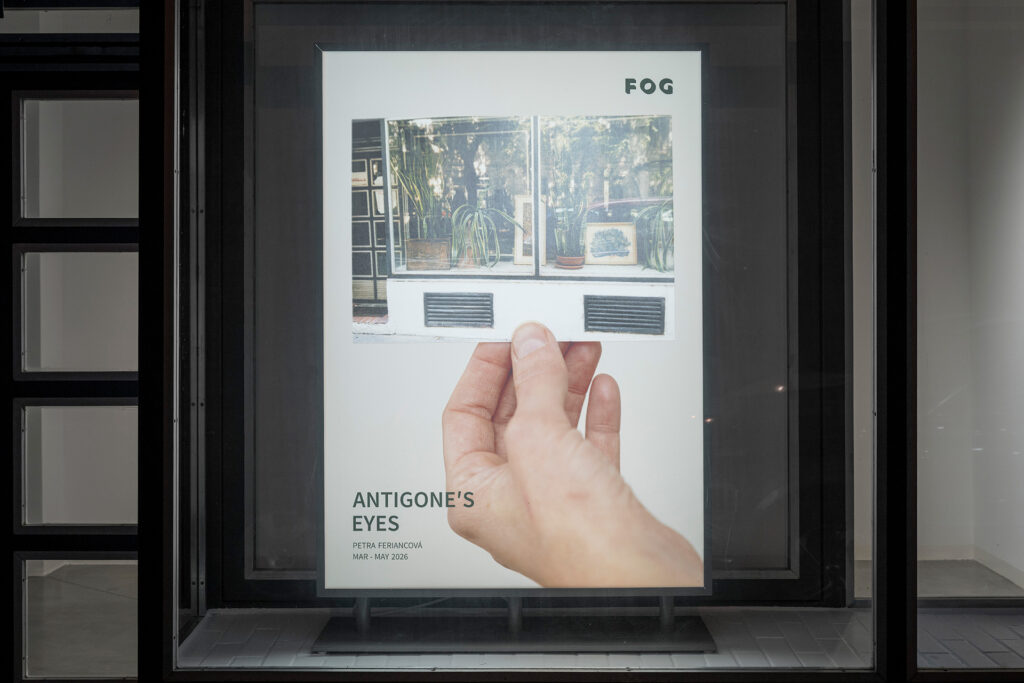
ANTIGONE’S EYES
Petra Feriancová

PRESS RELEASE
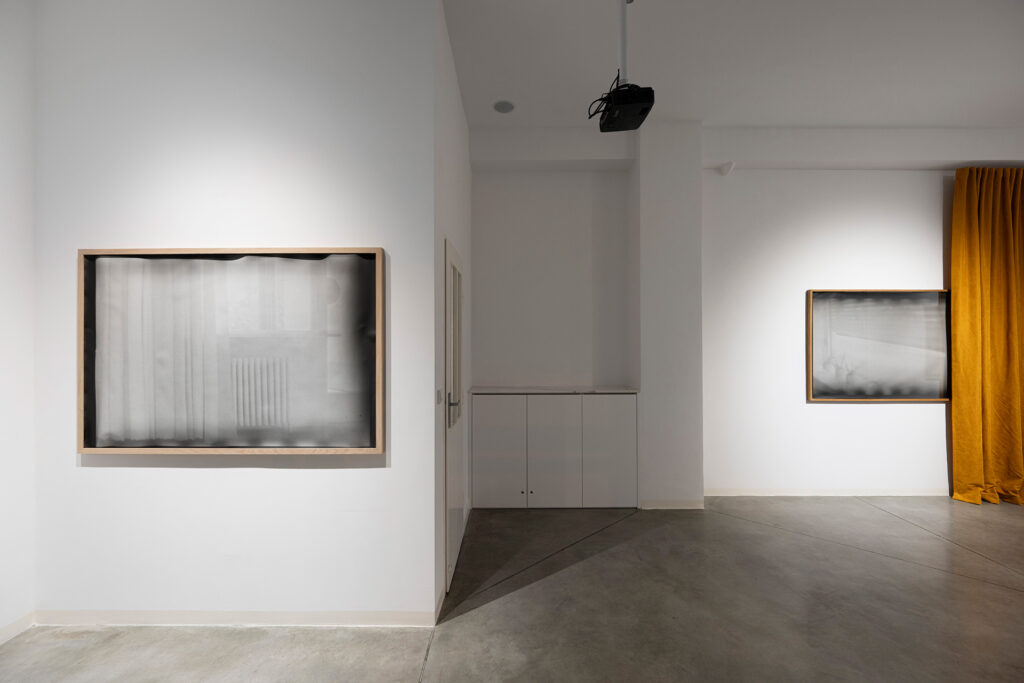
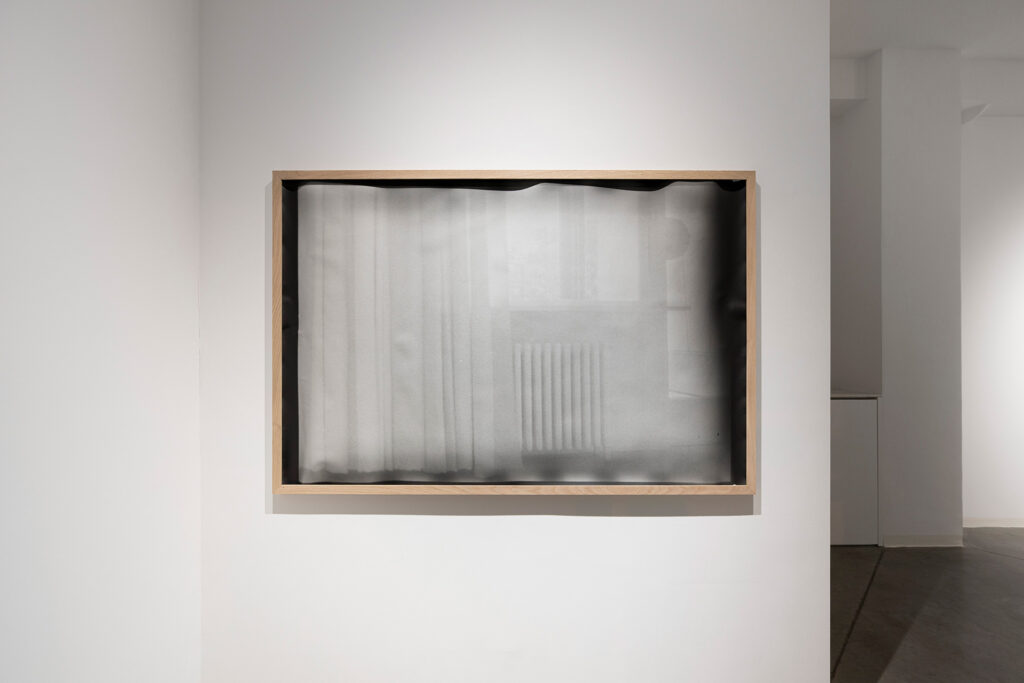
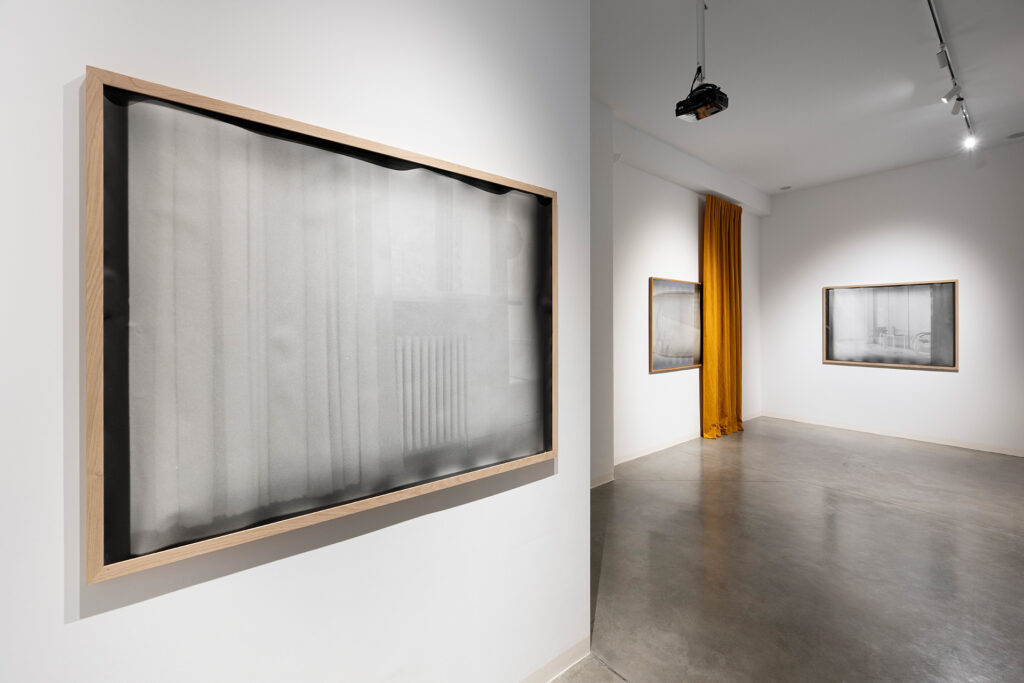
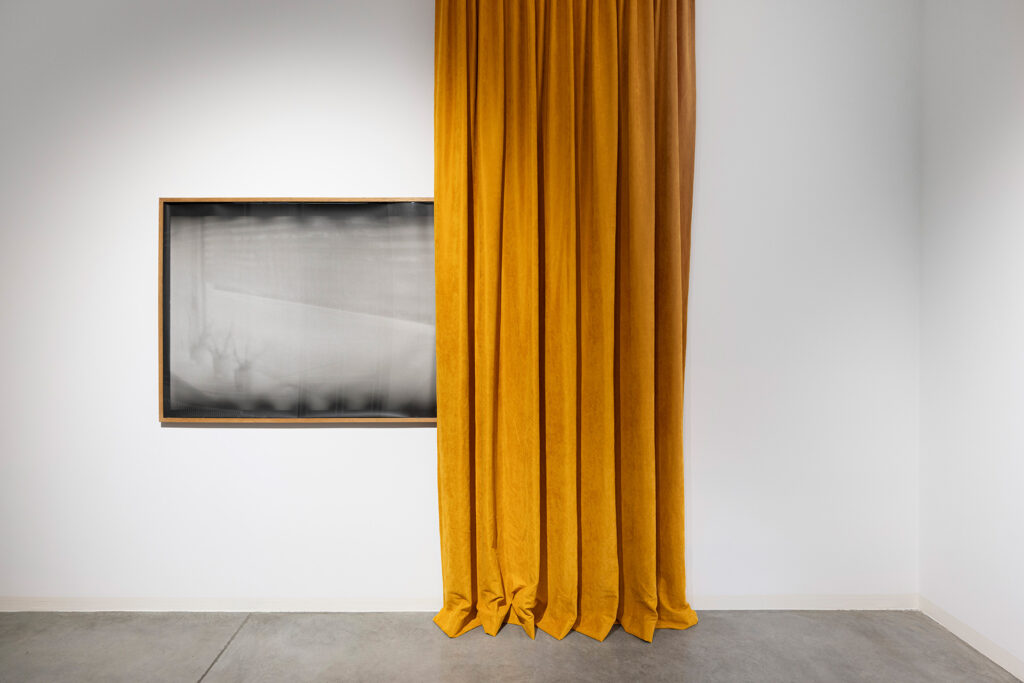
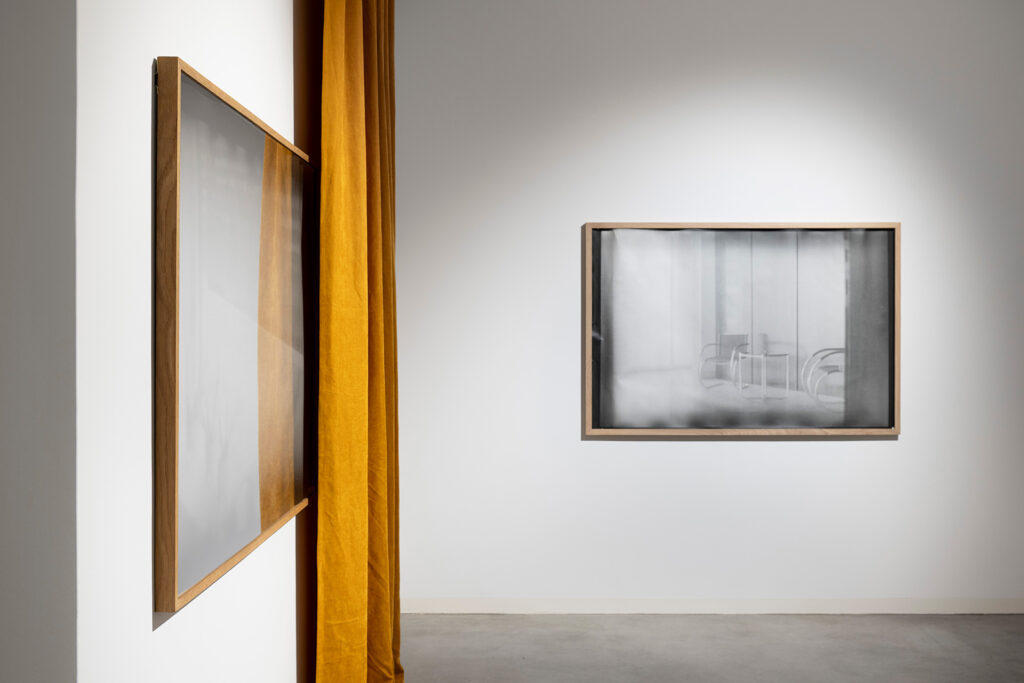
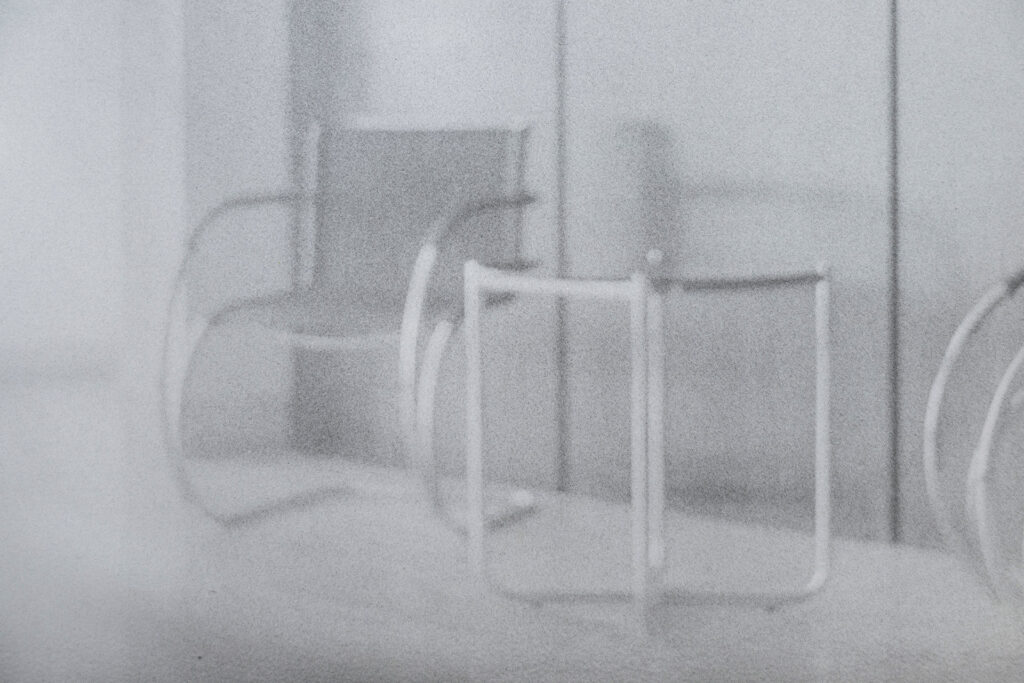
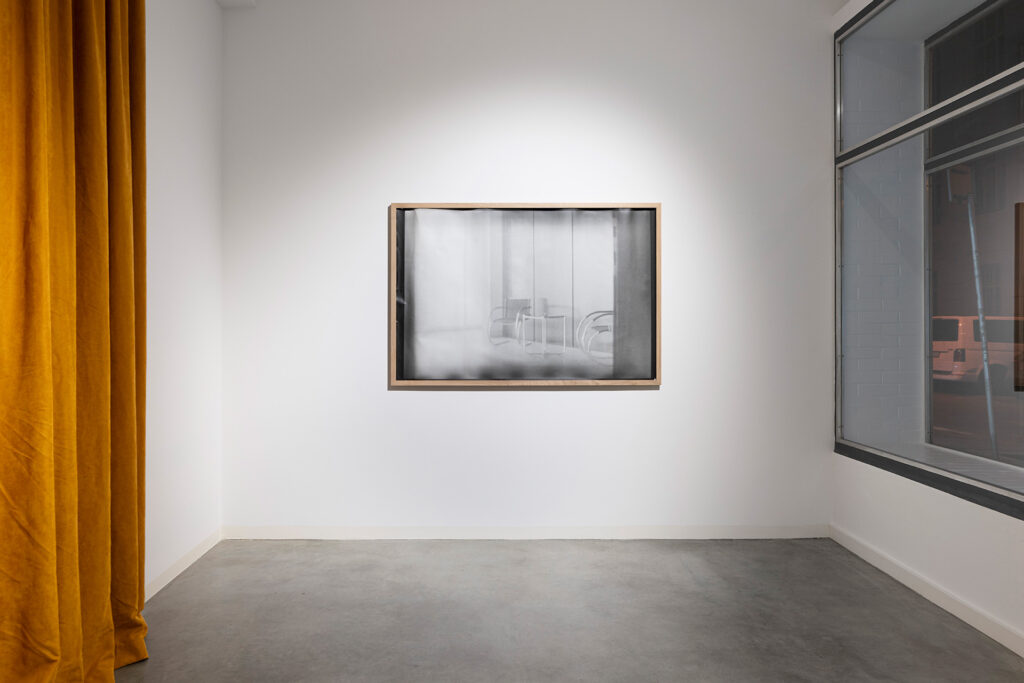
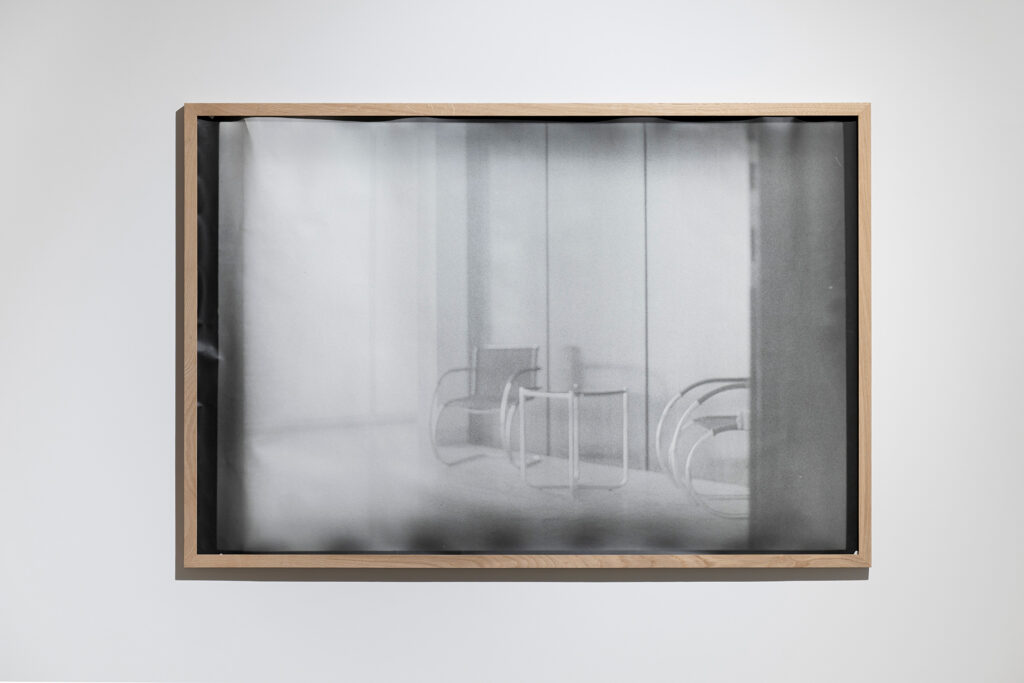
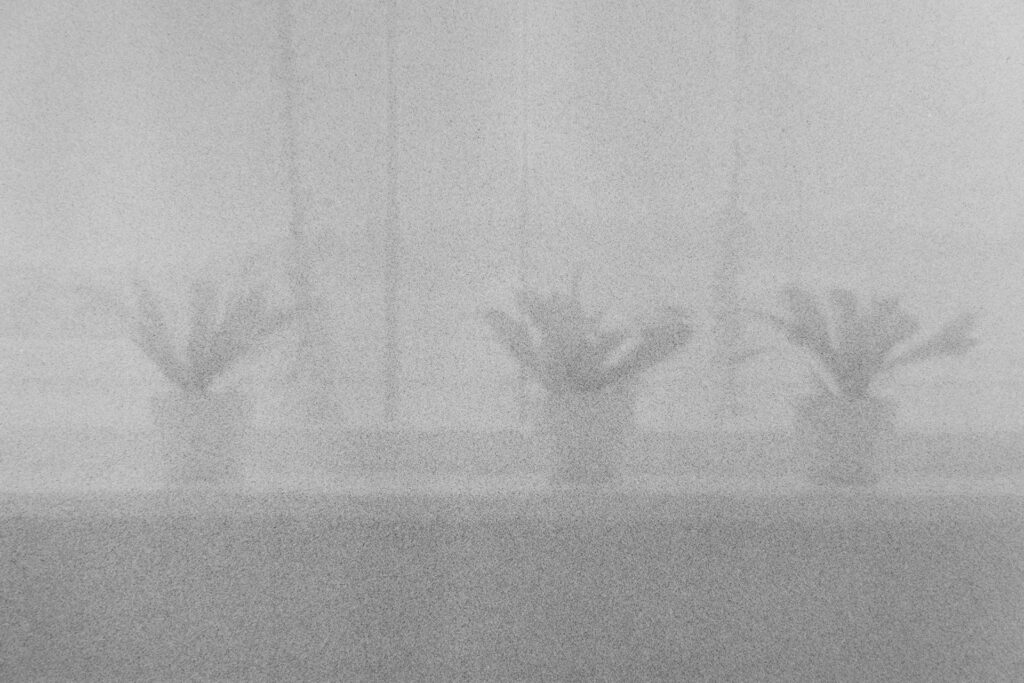
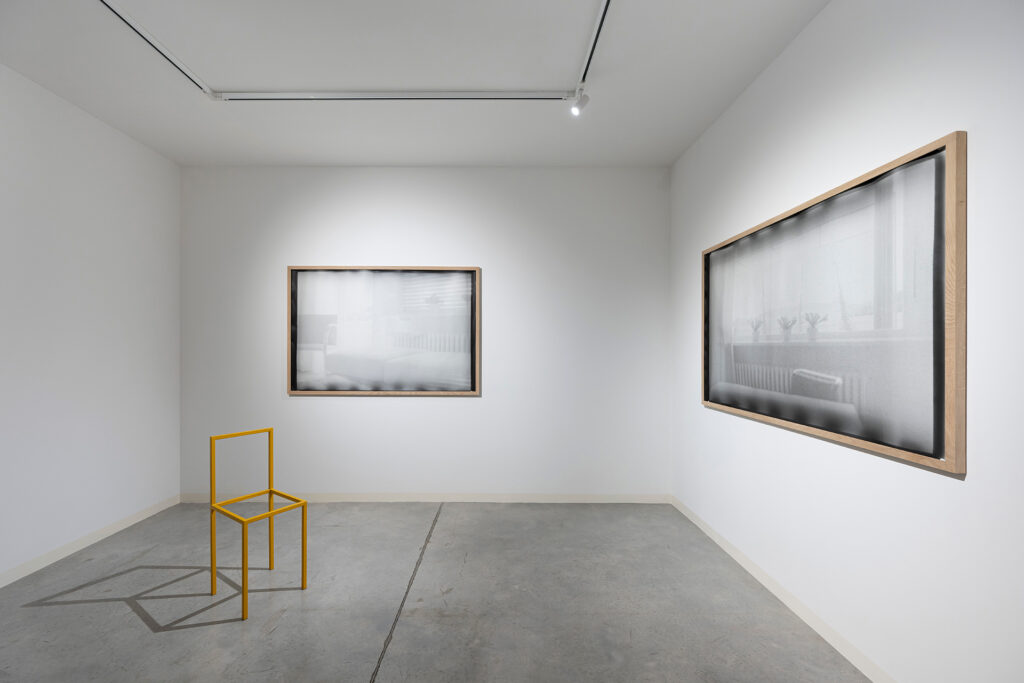
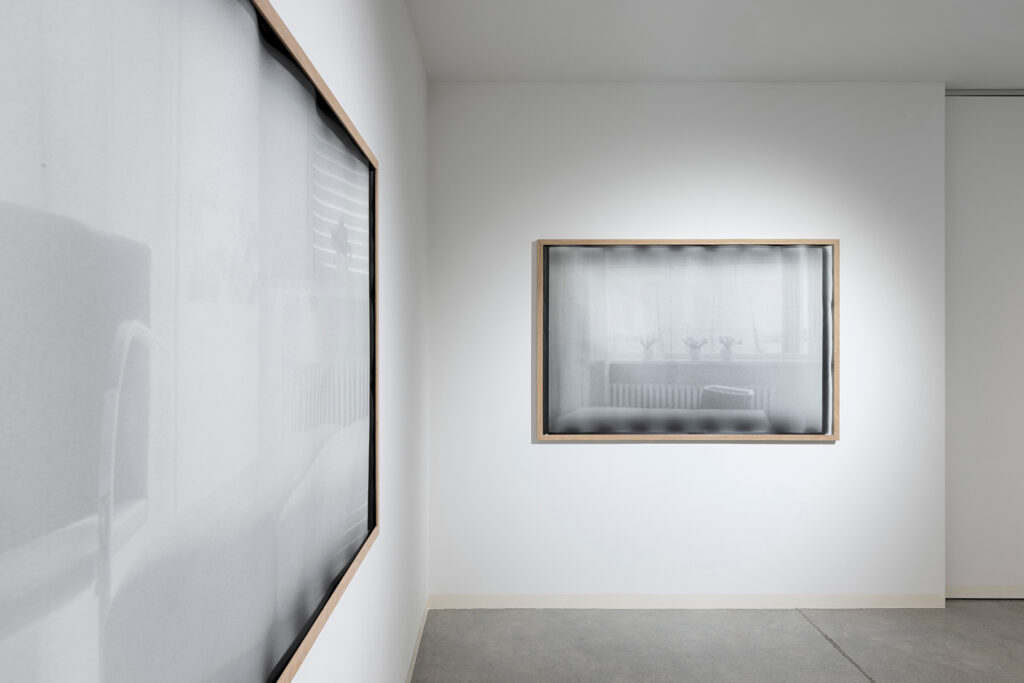
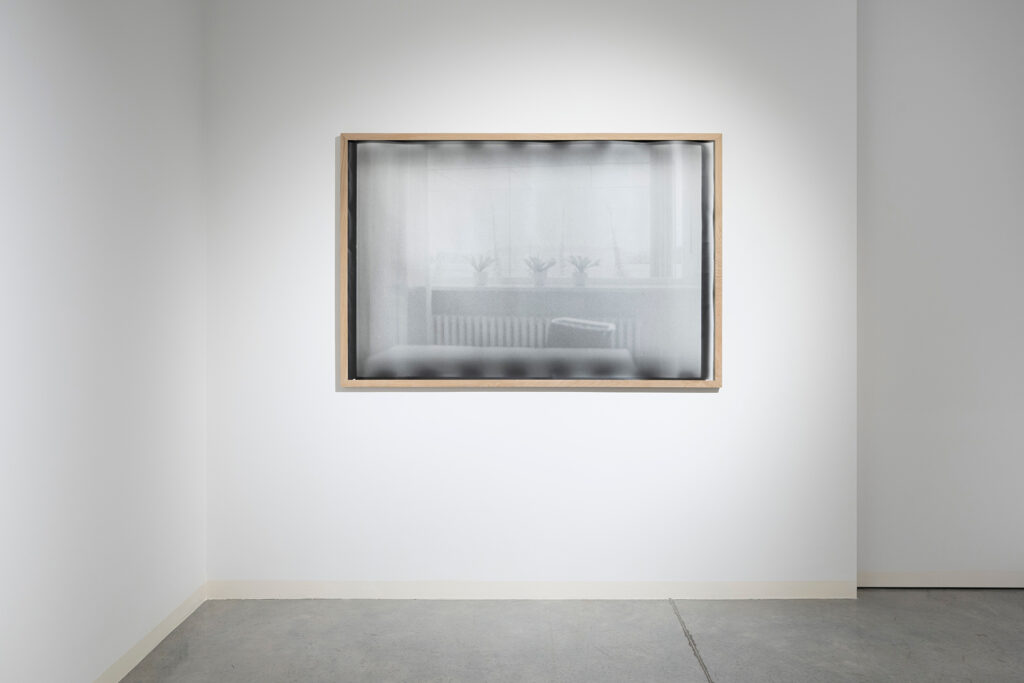
The project Antigone’s Eyes began to take shape in 2009. Over time, it evolved into a time capsule, one to which Petra Feriancová repeatedly returns. It includes photographs capturing views through the windows of Villa Tugendhat. One image from this series was presented in the artist’s solo exhibition at the House of Arts in Brno in 2012 (Study for the Second Plan), and later in the Slovak Pavilion at the 55th Venice Biennale (Still the Same Place).
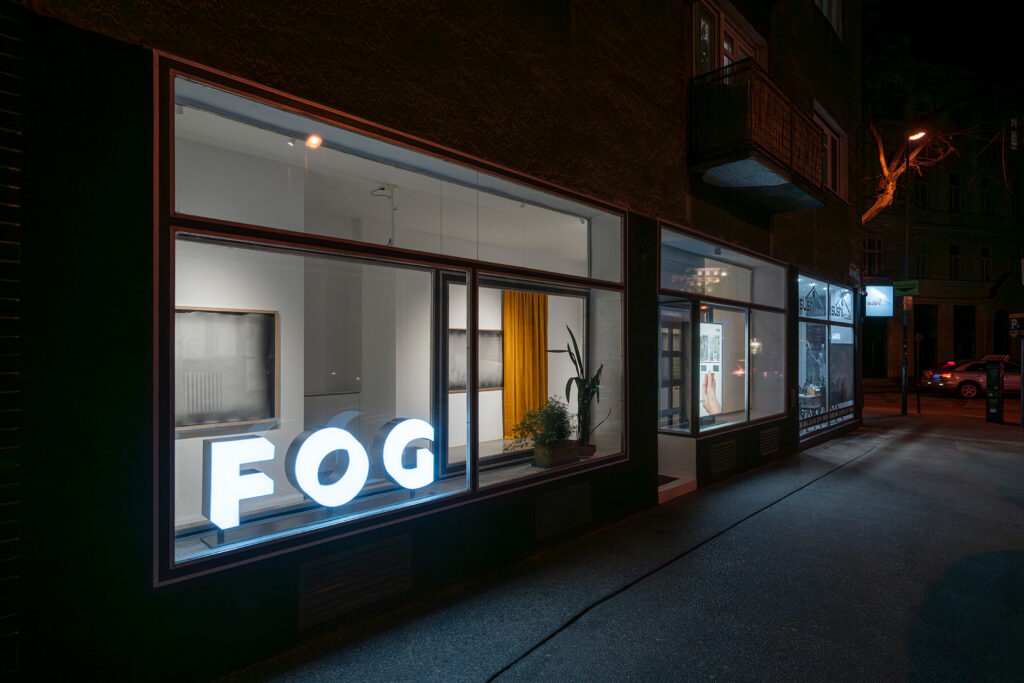
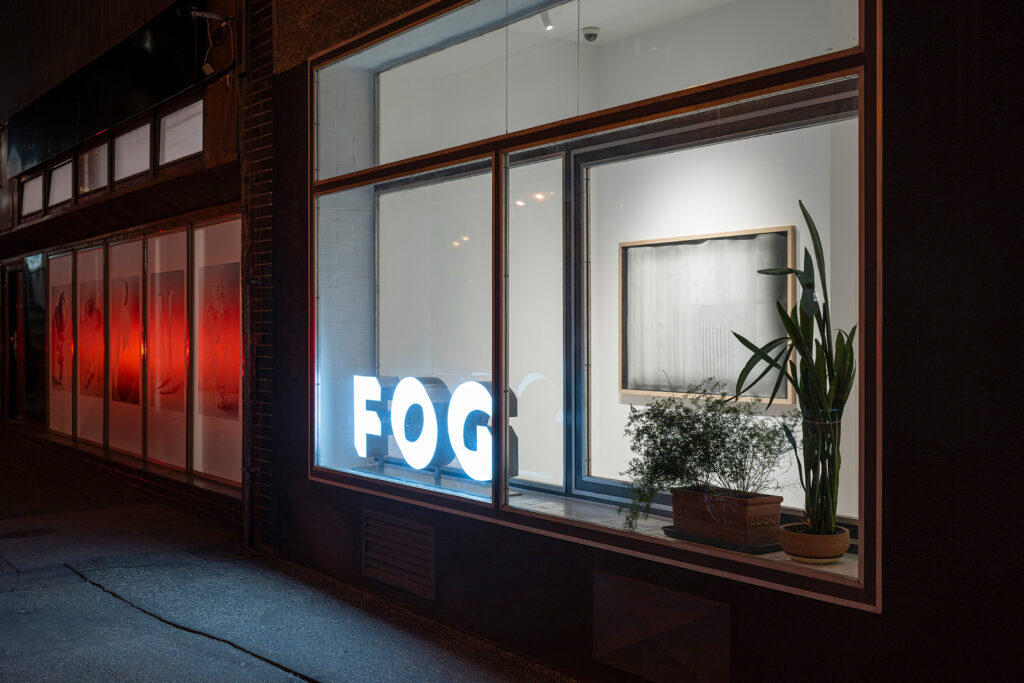
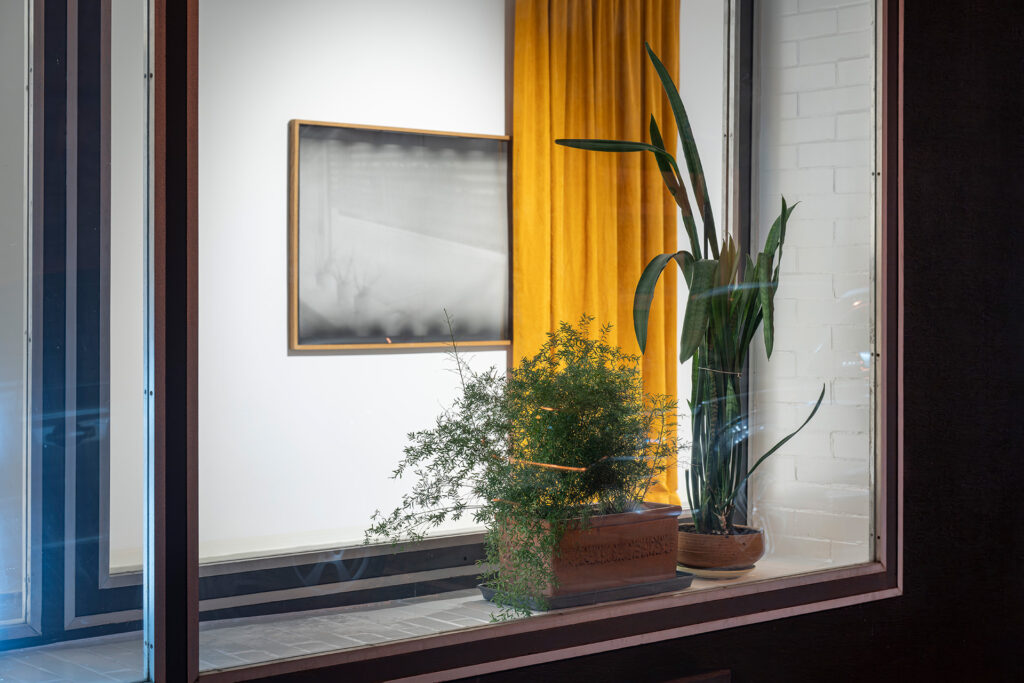
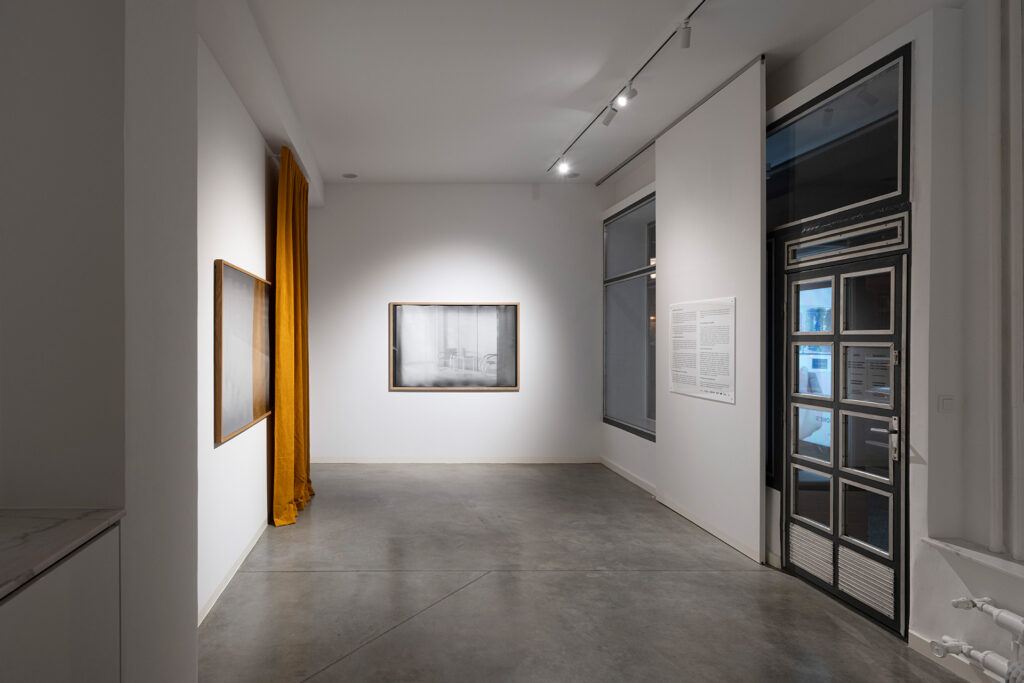
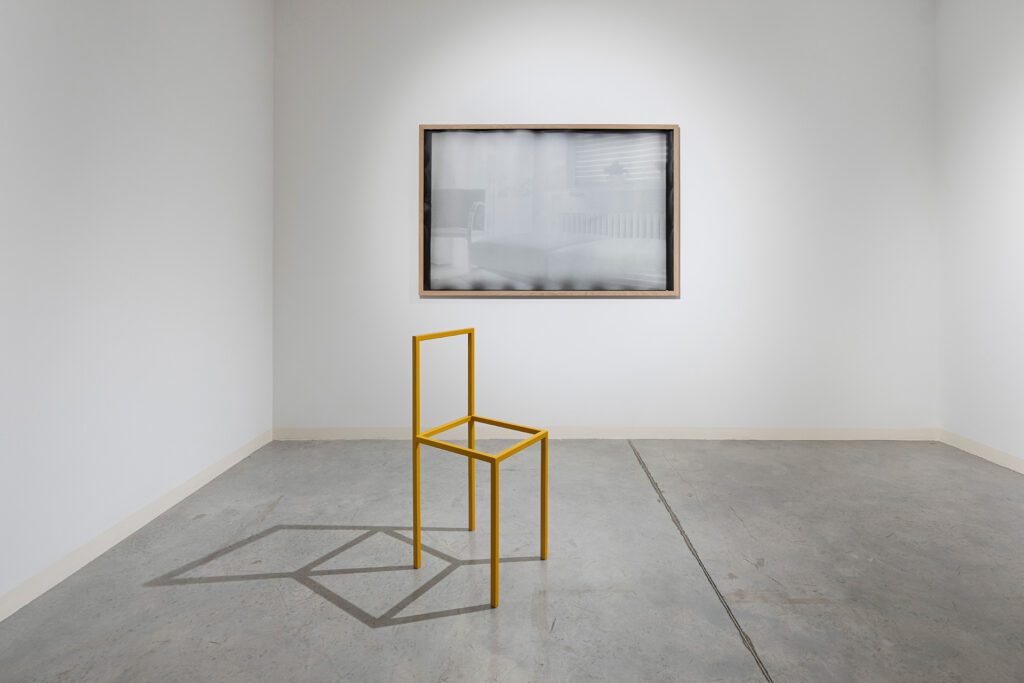
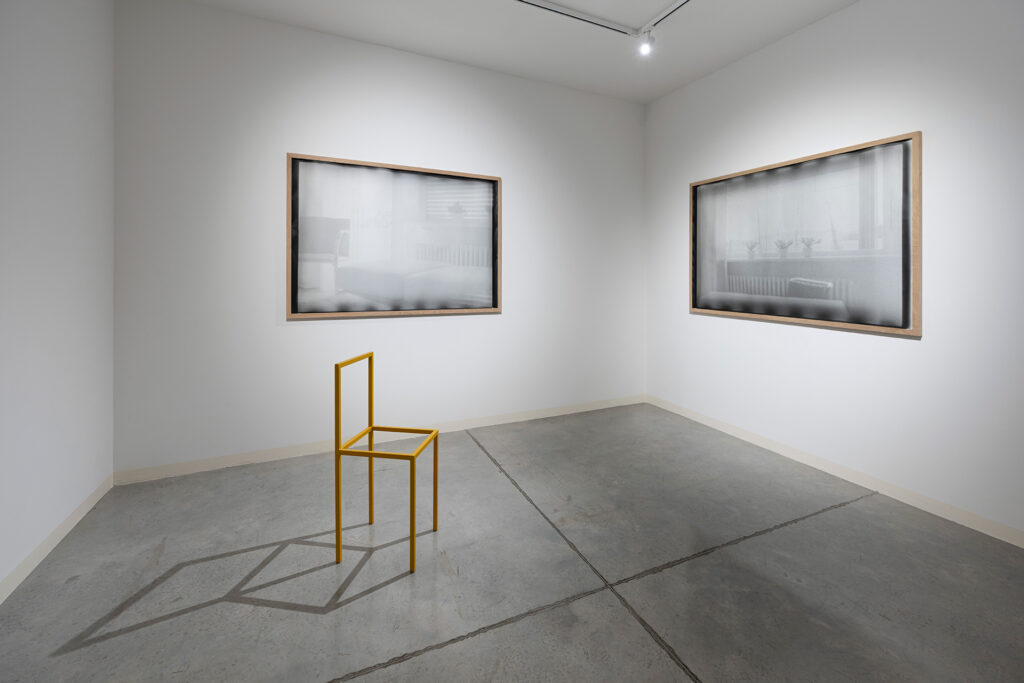
The exhibition also features a photograph of the windows of FOG Gallery, taken in 2017, before its opening. The motif of looking through thus establishes a continuity between Villa Tugendhat and FOG Gallery, between the site of origin and the site of display. The following interview sheds light on the circumstances of the works’ emergence and on what the image represents for the artist.
How did Antigone’s Eyes begin to form?
The title came later. Works often start to lead lives of their own, they shift, mature, and their audience matures alongside them. I observe them from a distance, at times almost dissociatively, deliberately erasing and rediscovering them together with the viewer. Manipulating the image is essential, though years may pass between individual interventions. As with frames in a strip of film, the interval can be a second, a day, or even a year.
After my father’s death in 2008, I deliberately withdrew into my home and worked within constraints – both expressive limits and those imposed by the internet at the time. I was interested in mental and empirical space. I needed to mute reality. The reality of that period consisted of living for my daughter. For her, I would leave the apartment walls and wander the surroundings with my father’s camera. I used it to document what I called “being on the ground,” a kind of report addressed to someone so close that you irrationally try to anticipate their feelings and needs. Hence Antigone’s Eyes. The photographs were not the result of searching for subjects. They emerged whenever there was time or simply the possibility to take out the camera, even if what lay before me was emptiness.
What does an image mean to you when it is not sought out?
I discover the image only later. I work with memory, the unconscious, imagination, and the personal experience we each carry. I have never felt like a photographer. What interests me is reality itself – the time that inscribes itself into the image. I do not control it in terms of composition, it is shaped by the conditions I establish. What matters happens only when I look at the photograph. At that moment I become an observer, attentive to what the image activates, what associations it generates. It does not need to be technically flawless, something may open precisely through error. I have worked deliberately with technical insufficiency from the very beginning.
How did the photographs from Villa Tugendhat come about?
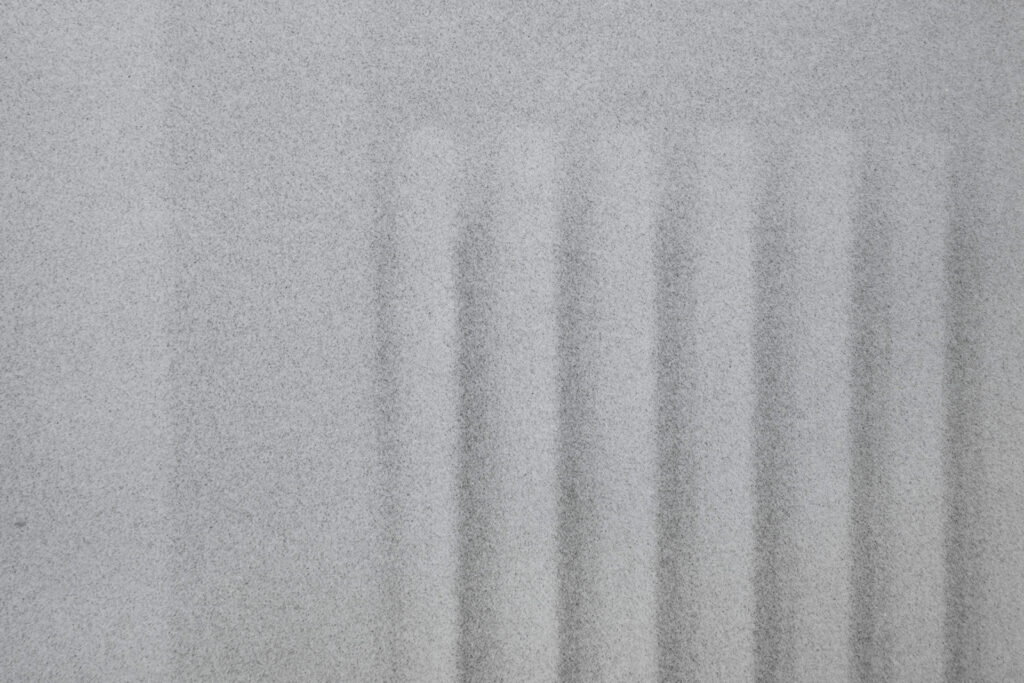
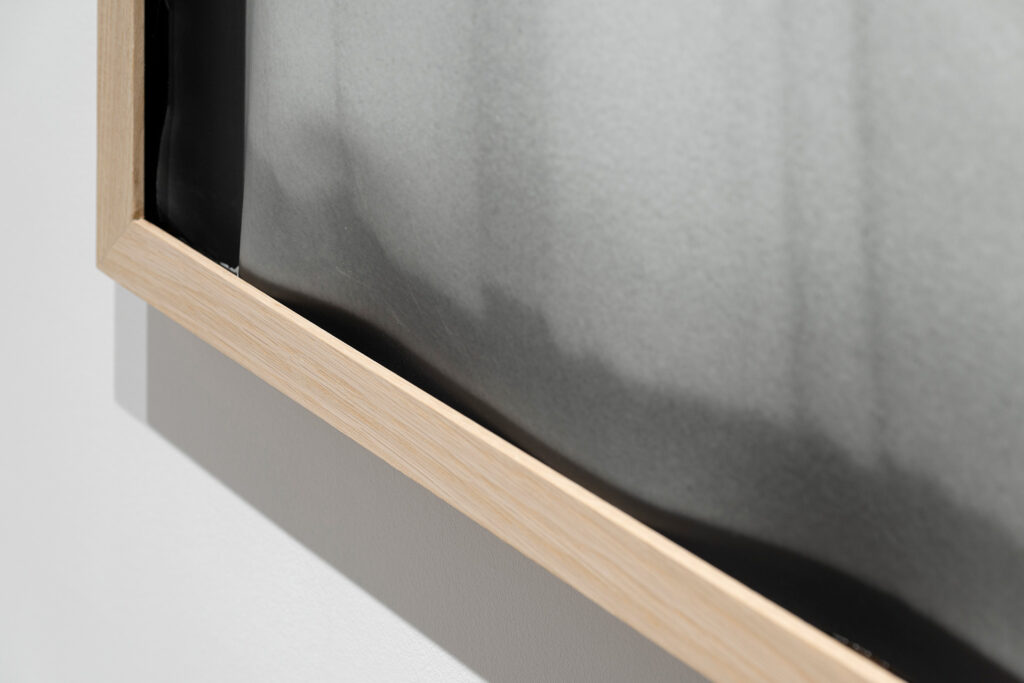
I visited Villa Tugendhat during a public tour, with my daughter in a carrier. I simply clicked the view from the window according to a basic principle: be there, have the opportunity, take the picture. Sand jammed in the lens, and the films came out completely black. In the lab they wanted to discard them. Thanks to Tereza Kaburková, however, they were “resuscitated” through prolonged exposure in the darkroom, producing their distinctive grain. I am drawn to the nature of material and its fragility – to that moment when a film destined for disposal becomes an image unlike any other, the outcome of chance or mishap. It is not about cynicism or arrogance, but about searching for meaning even under adverse conditions. I am interested in adaptability, functional solutions, material ecology, recycling, and appropriation.
How do you perceive these photographs today?
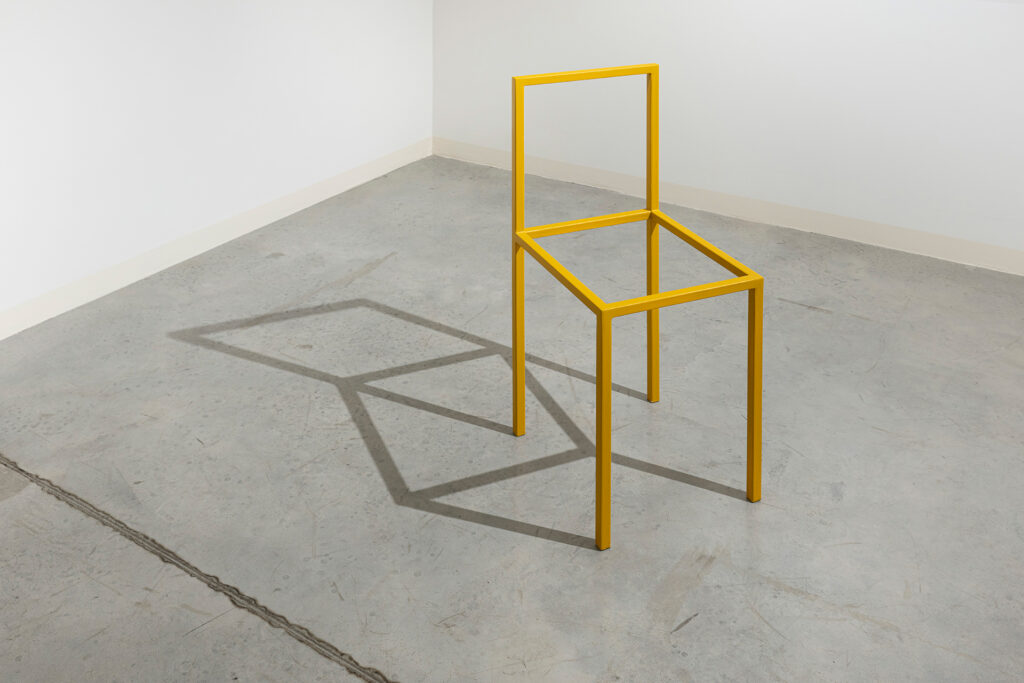
I date the works according to the moment of their origin, yet since I return to them and continue to rework them, they often carry multiple dates. Antigone’s Eyes is a time capsule for me – something created in a specific period, yet layered with meanings over time. Categories emerged naturally, for instance through repeated visits to certain places. I enjoy looking at my works from the position of a viewer rather than being the one who controls everything from beginning to end. Occasional codifications in the form of exhibitions are important, things need to be framed and given boundaries so that they can subsequently be crossed. Exhibitions and work with archive or architecture constitute another line of inquiry. I am interested in embodiment and the solidification of things, in performative architecture where objects assume the role of living elements. Arrangements of images replace text, and text in turn replaces image. The work is never finished. Each presentation becomes another layer and another perspective.
Why the exhibition title Antigone’s Eyes?
Oedipus lost his sight, and Antigone guided him. Perhaps these photographs were a way of speaking about the world to someone who cannot see it – someone so essential that you are willing to offer them your own vision, or at least to share it.